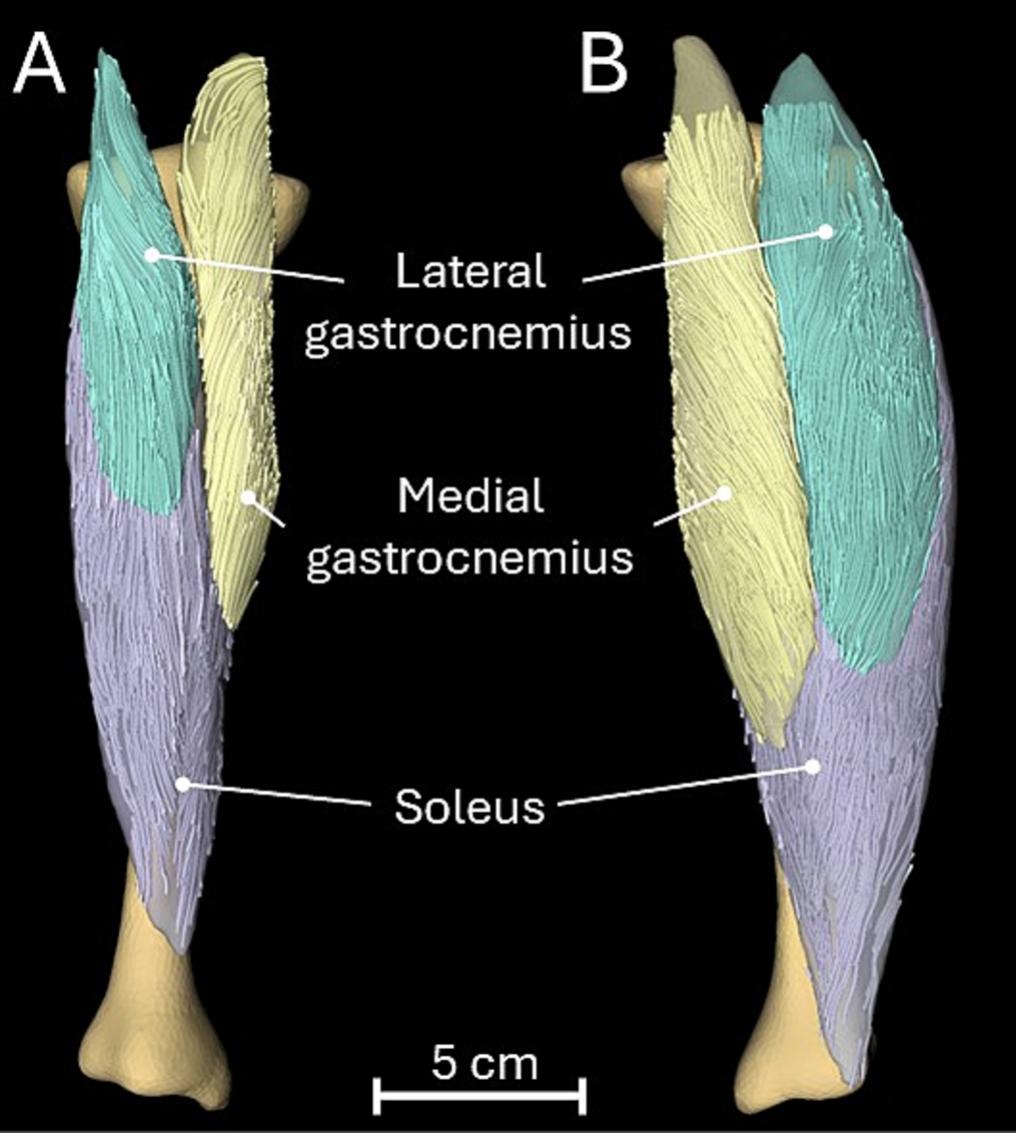
RESEARCH SPOTLIGHT Diffusion tensor imaging reveals muscle- and child-specific adaptations of muscle architecture in children with cerebral palsy.
New imaging research reveals that children with cerebral palsy don’t lose calf muscle size in one uniform way. Instead, each muscle sacrifices either fibre length or fibre width to protect its own specialised job, whether that’s generating force or allowing a full range of motion. by Bart Bolsterlee Cerebral palsy (CP) is the leading cause …

What Happens to Your Brain After a Couple of Drinks?
We’ve just shared one of our favourite MRI visualisations on the new NeuRA Imaging Instagram account, highlighting how advanced MRI technology can reveal changes in the brain after alcohol consumption. Most people are familiar with the effects of alcohol, whether it’s feeling more relaxed, slightly unsteady, or finding it harder to concentrate. But what is …
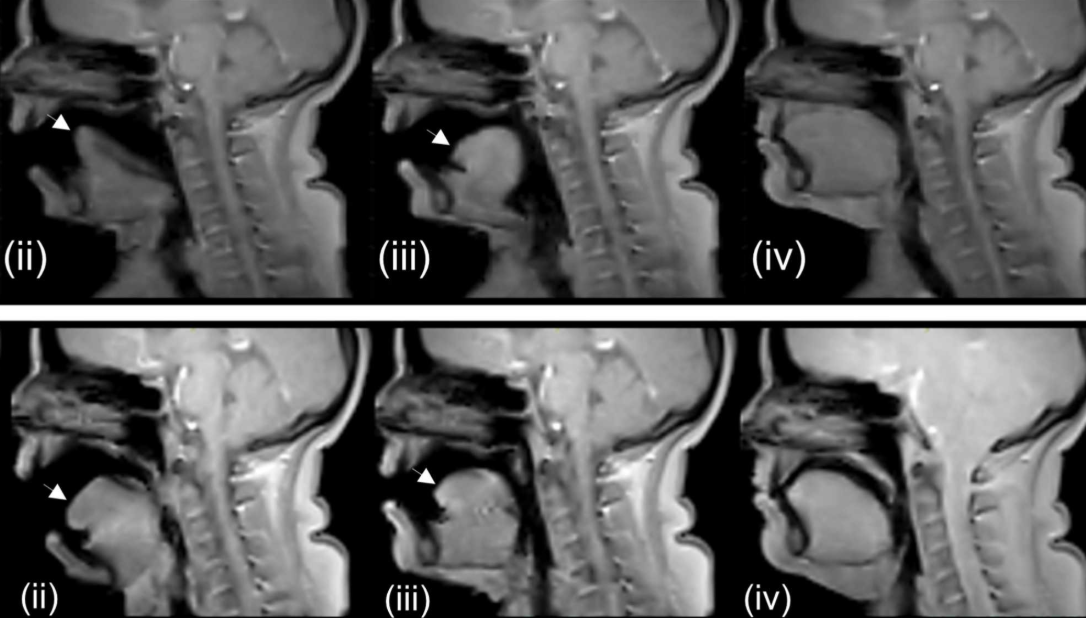
Inside a Yawn: Real‑Time MRI Reveals a Distinct Brain Fluid Response
Yawning is one of the most common human behaviours, yet it remains one of the least understood. Often dismissed as a sign of boredom or fatigue, yawning has long been suspected to play a physiological role in brain function. Now, a team of researchers at NeuRA Imaging has used real‑time MRI to capture what actually …
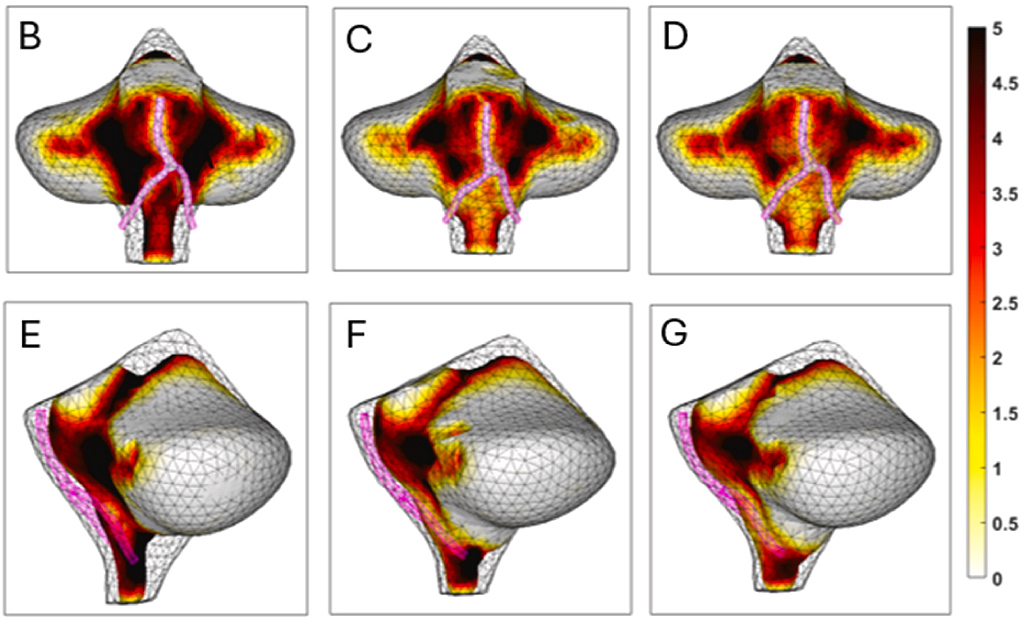
New Insights Into Chiari: What Happens During a Cough?
A team of researchers at NeuRA Imaging has captured the most detailed MRI footage to date of what happens inside the head and neck during a cough in people with Chiari malformation, challenging decades of assumptions about how the condition causes sudden, debilitating headaches. For years, clinicians have believed that cough‑triggered headaches in Chiari malformation …

Volunteers Needed for Child & Teen MRI Study at NeuRA
NeuRA Imaging is seeking children and teenagers aged 5–18 years to take part in an exciting new MRI research study. This project, part of the Paxinos Labs’ “Eight to Eighty” initiative, aims to build a living brain atlas using ultra‑high‑resolution MRI to map the ~1000 structures of the developing brain. Participants will attend four on‑site …
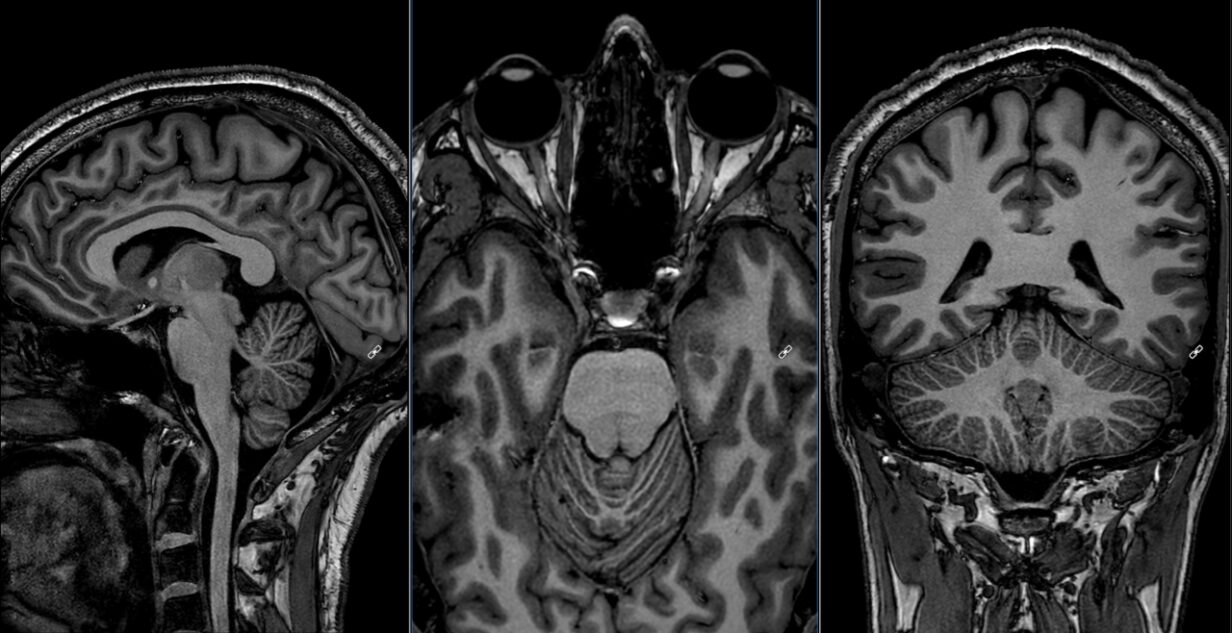
Unlocking Ultra‑High‑Resolution 3T MRI at NeuRA Imaging
NeuRA Imaging has introduced a powerful new AI‑driven MRI capability, acquiring the highest‑resolution anatomical images ever acquired on a 3T MRI scanner. A major software upgrade at NeuRA Imaging, courtesy of funding from the Australian National Imaging Facility, the National Collaborative Research Infrastructure Strategy (NCRIS), and NeuRA, has delivered unprecedented ultra‑high‑resolution brain scans on a …
Recent Comments